It’s a staple of British advertising and a perfect illustration of the product’s softness. Well not quite. The original idea in 1972 was for a young girl to run through a house trailing a roll of Andrex. But TV regulators didn’t approve this as they felt it encouraged children to be wasteful. So Andrex decided to use a Labrador puppy instead.


Anguilla, a tiny British island territory in the Caribbean, brings in up to $30 million in revenue each year by licencing its ‘.ai’ domain name to other companies.

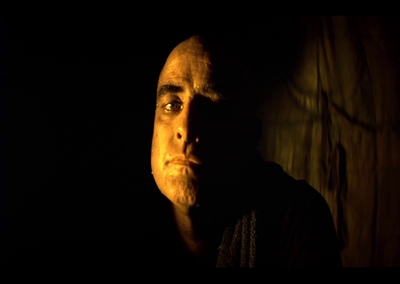
In the legendary war film, Marlon Brando plays an almost mythical character – appearing in only one scene, dressed in black, and hidden in the shadows. But this was only because he arrived on set extremely overweight and unable to wear his costume, so director Francis Ford Coppola edited the film to hide his figure.

Apple stores are so popular that they increase sales by 10% in the malls where they’re located.

Did Steve Jobs choose the name Apple as a homage to Isaac Newton? Or to Alan Turing? Who died after biting into an apple laced with cyanide. No, the real reason was much more boring: Jobs chose the name after visiting an apple orchard. He also wanted the company to be listed before Atari in the phone book.

Steve Jobs designed the Apple store experience by taking inspiration from the luxury Ritz Carlton hotels. Staff meet customers proactively on arrival and using customers’ names for a personal touch. The iconic ‘Genius Bar’ was also directly modelled on the concierge desk of a grand hotel.

Say you wanted to gauge the impact of a brand’s ethics on purchase decisions. The most basic approach is to ask directly, out of context and in isolation. And it turns out that when you simply ask consumers if a brand’s ethics are important, the vast majority agree they are. But this finding is at odds with how people behave. Shein & Amazon are incredibly popular retailers, despite their questionable approach to sustainability and taxation. And few people can actually name a specific brand whose ethics they admire.

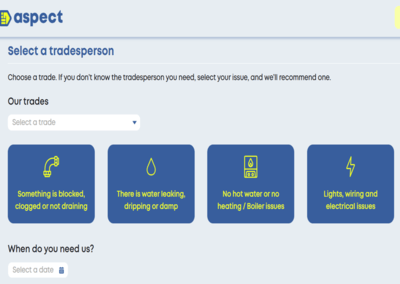
Categorisation is key for any app, and Aspect does this from the consumers’ perspective rather than the marketers’: recognising people often know the problem they have but not the solution they need.

Rather than defining and targeting the small group of consumers most likely to buy the brand – the standard approach for online ad campaigns – Audi defined those who rejected the brand and targeted everyone else. This meant they were going after a much broader audience, all of whom had at least some propensity to buy the brand. The impact was stark: a significant improvement in campaign conversions, and a compelling case for using data to avoid the worst, rather than find the best.

The tennis tournament is unable to broadcast live matches on its YouTube channel. So it found a genius workaround: animations. The Wii style players follow all the same movements as their real-life counterparts, while the “whap” of the ball, chatter from the crowd, and commentary all remain authentic.

If you’ve ever picked up a Bang and Olufsen remote you’ll know they’re surprisingly heavy. But that’s nothing to do with function – it’s designed to exploit our assumption that heavier things are better quality.