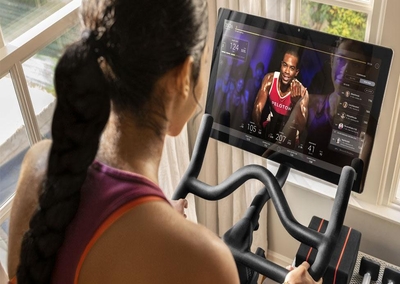
The meteoric rise of Peloton suggested gyms were a thing of the past. Why travel to exercise when you could do it in your living room? Yet the company’s share price remains 97% below its 2020 peak, and it has recently started renting bikes to help shore up its losses.
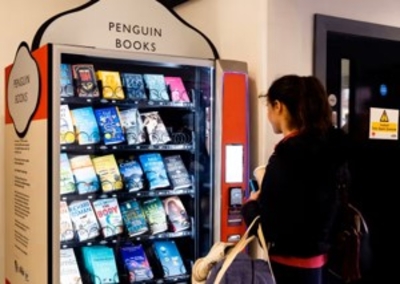
In 1934, Sir Allen Lane was waiting at Exeter St Davids for a train back to London, and found himself without a book to read. All that was on offer at the station bookstall were magazines and Victorian reprints. He decided that high quality, engaging, and reasonably priced books should be available to everyone, anywhere. Next year, he created Penguin Books.

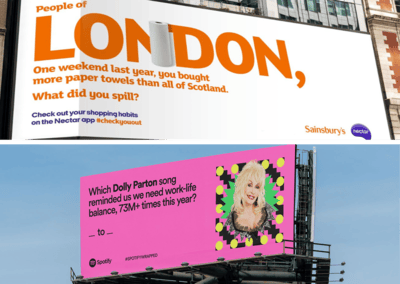
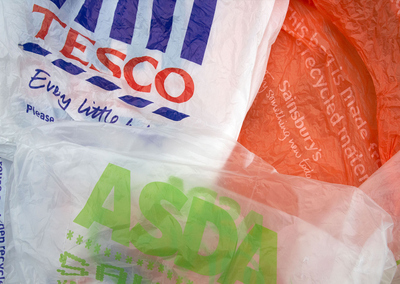
The Spotify & Sainsbury’s campaigns are based on this simple idea, but different creative styles mean that Spotify’s is more powerful.

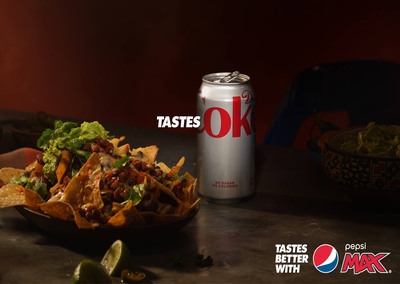
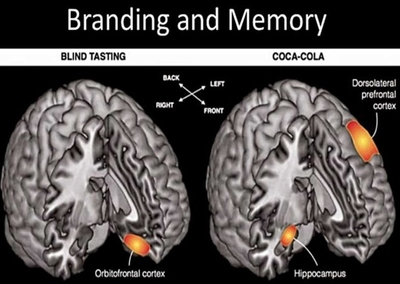
In 2003, neuroscientist Read Montague put his own spin on the Pepsi Challenge. In a standard blind taste test, FMRI data showed the brain region called the ventral putamen – associated with seeking reward – was highly active, and Pepsi came out on top. But things changed when volunteers were told what they were drinking. This time, Coke was the clear winner and the medial prefrontal cortex was seen to be more: an area of the brain associated with higher thinking processes. In other words, the expectation of drinking Coke made it more enjoyable.

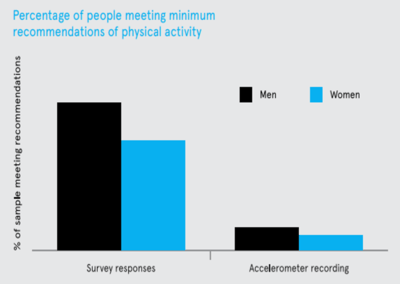
The Physical Activity and Fitness Survey asks people how much exercise they do, and measures (with accelerometers) how much they actually do. Unsurprisingly, the two figures don’t match up.

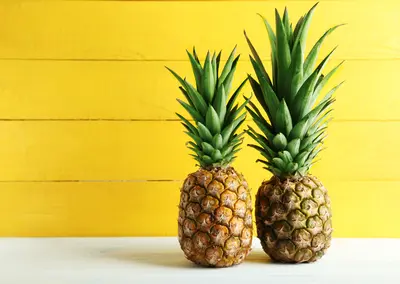
Pineapples were once the ultimate symbol of wealth; used mainly for display at dinner parties, rather than being eaten. Charles II was so taken with pineapples that he commissioned a portrait of himself being presented with one. But they lost their star status once steamships started to import them to Britain from the colonies, and they became afforable to the masses.

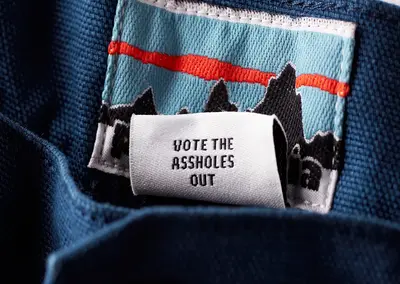
A 2024 YouGov report claims that brand buying has become politicised, citing several examples of brands that appeal to different political leanings (e.g. Ben and Jerry’s is significantly more popular among Liberals). But the crucial caveat is that this is based on attitudes not behaviours, and two are very different. Actual purchase data shows that liberals are only 3% more likely than conservatives to buy Ben and Jerry’s. And conservatives are actually 13% more likely to buy Patagonia, despite the brand’s close association with environmental causes.

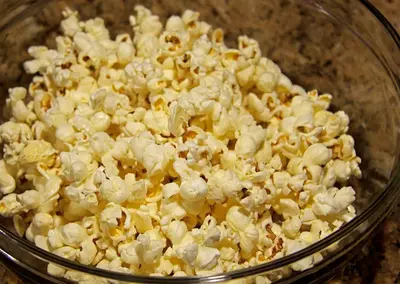
In 1994, an American health organisation caused popcorn sales to plummet by 50%. A study had shown that a medium bag of popcorn contained 37 grams of saturated fat, so the organisation turned this abstract number into a terrifying reality; the same amount of fat as six Big Macs.

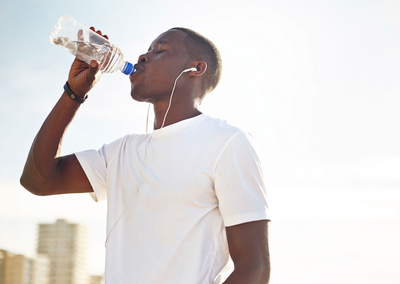
Recent neuroscience studies have shown that our brain is predictive, not reactive. It’s, quite literally, powered by expectations. When we drink a glass of water it actually takes tens of minutes to reach the blood, but it instantly feels like our thirst is quenched – that’s because our brain predicts the restorative effect of water as soon as we drink it.

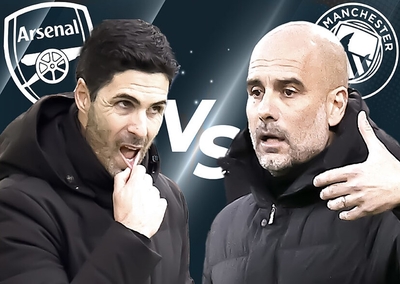
In the 2022/23 season, Arsenal led the table for 247 days (93% of total) but eventually lost out to Man City – who only led for 28 days (7%).

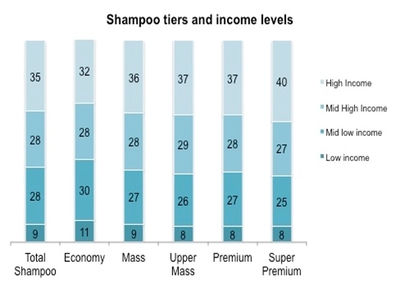
Received wisdom is that premium brands are bought by affluent consumers. In reality, affluent consumers are just as likely to buy mass market products as they are premium products – it’s not all about the money.

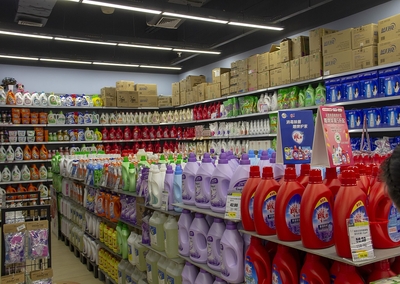
68% of people saying they bought a laundry brand in the past 3 months didn’t buy it at all (according to panel data).