No other item of clothing is so expressive as the mask. To some it represents oppression; a muzzling freedom of expression during the pandemic and, as a hijab, a denial of women’s rights. To others it represents freedom; a tool to thwart the state-controlled apparatus of face recognition, or a bold fashion statement (if you’re Kim Kardashian).
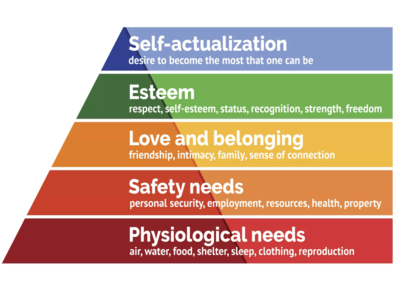
The famous framework suggests we must satisfy psychological needs before social needs – safety before friendships – but in reality there is no strict order. Even when we are hungry, we can be happy with our friends.
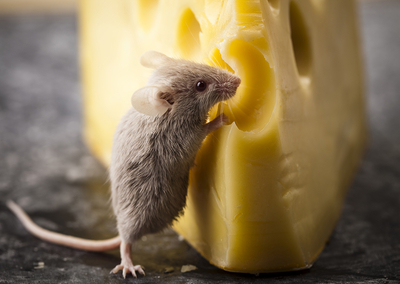
It has been popularised by Shakespeare, Tom & Jerry and many others, but in reality mice don’t have a strong preference for cheese. They prefer sweet foods, such as fruits or grains. So think twice before setting your next mouse trap.
A series of studies have shown that middle names make us sound smarter. When the author’s name, David Clark, was given without initials, it was evaluated less positively than the same essay written by an author named David F. P. R. Clark. However, the middle initials effect only occurred in domains where intellectual performance matters (e.g. quizzes) but not where it is secondary (e.g. team sports).
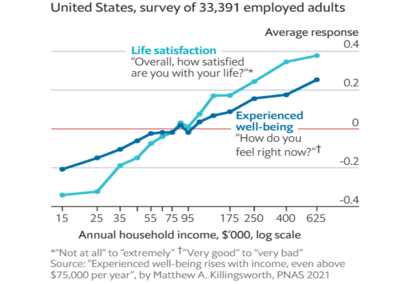
The aphorism was seemingly proven in 2010, when economists found no increase in well being above an annual income of $75,000. But the research was flawed – in how the data was collected and how the questions were asked – and when it was revisited in 2023 the conclusion changed: well being and life satisfaction continued to rise with income, even past $500,000.
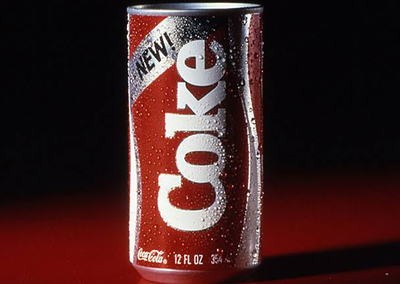
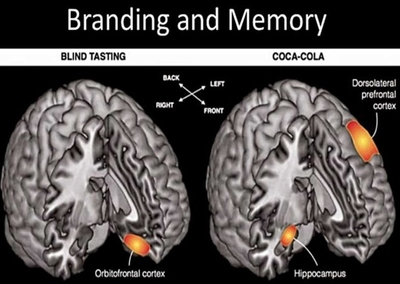
In 1985, thousands of blind taste tests showed that consumers preferred a new, sweeter formulation of Coca Cola. The company took this at face value, replacing the original Coca Cola with a new drink using the sweeter recipe. But the ensuing backlash to New Coke shows the limitations of objective thinking. Insiders forgot that, in the real world, people don’t consume drinks blindfolded. The data ignored the strength of the original Coca Cola brand.
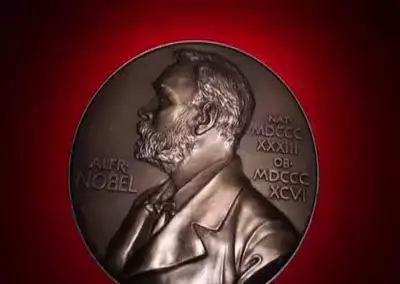
Nobel Prize winners, scientific geniuses in their own fields, have scientifically questionable views in other fields. Alfred Russel Wallace, codiscoverer of the theory of natural selection, advocated spiritualism and believed that nonmaterial forces explained the evolution of the human mind. Percival Lowell, a pioneer in planetary astronomy whose observations paved the way for the discovery of Pluto, was convinced that he had discovered martian canals of intelligent origin.
You often hear it has declined from 12 seconds in the year 2000 to eight seconds now. The problem is that the statistic has no reliable source, and the very concept of attention span is misleading given it is task dependent. After all, it didn’t stop people watching the entirety of Baby Reindeer in one go.
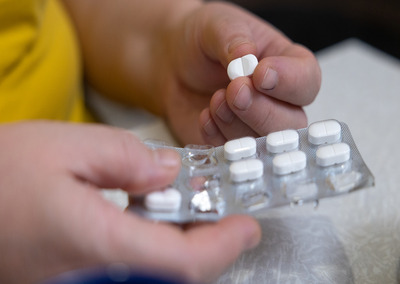
What led to a 43% reduction in deaths from paracetemol in the 1990s? Smaller packs. The government reduced the number of pills in each pack from 32 to 16, making it harder for people to overdose.
In 2003, neuroscientist Read Montague put his own spin on the Pepsi Challenge. In a standard blind taste test, FMRI data showed the brain region called the ventral putamen – associated with seeking reward – was highly active, and Pepsi came out on top. But things changed when volunteers were told what they were drinking. This time, Coke was the clear winner and the medial prefrontal cortex was seen to be more: an area of the brain associated with higher thinking processes. In other words, the expectation of drinking Coke made it more enjoyable.
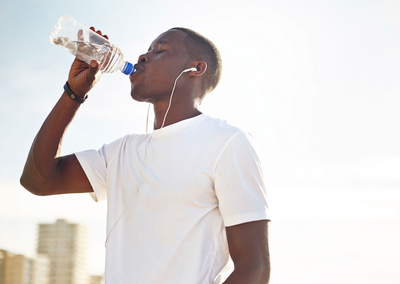
Recent neuroscience studies have shown that our brain is predictive, not reactive. It’s, quite literally, powered by expectations. When we drink a glass of water it actually takes tens of minutes to reach the blood, but it instantly feels like our thirst is quenched – that’s because our brain predicts the restorative effect of water as soon as we drink it.