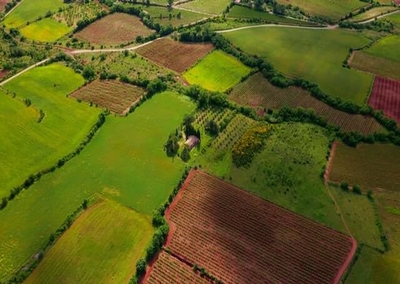
An acre was originally defined as the size of a field a farmer could plow in a single day. In practice, this meant a field that could be plowed in a morning, since the oxen had to be rested in the afternoon.
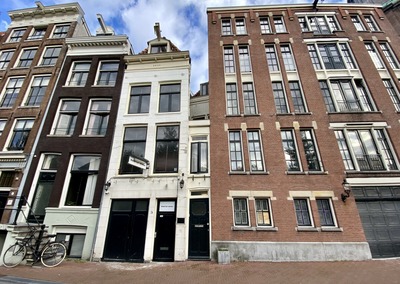
Houses in Amsterdam are narrow because of tax evasion. In the 16th century they were taxed by the width of a property’s canal frontage, rather than total size, which incentivized the construction of narrow, deep, and tall buildings.
John Lubbock wanted workers to have more holidays throughout the year, but MPs were industrialists and unconvinced workers needed more time off. So he proposed the ‘Bank Holiday Bill’, knowing that banks needed to close at various times during the year, and if the banks were formally closed no business could be done. “If we had called our bill the “General Holiday Bill” or the “National Holiday Bill” I doubt that it would have been approved. But the more modest name the “Bank Holiday Bill” attracted no attention”.
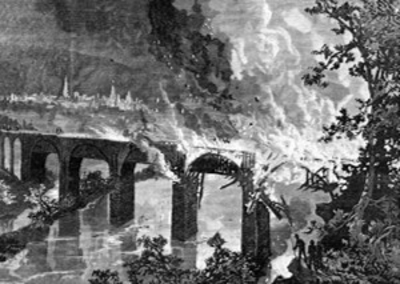
In 1519, Hernán Cortés (literally) burnt bridges when he and his men set foot for the first time in continental America – a surefire way of avoiding desertion during the Spanish conquest of the Aztec Empire, and an early example of commitment devices in action.
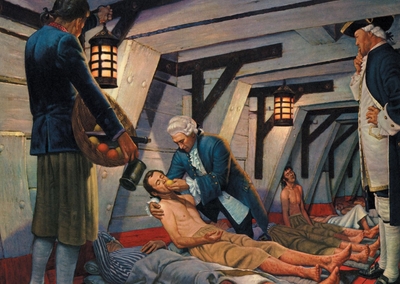
1769 Captain Cook wanted sailors to eat sauerkraut to ward off scurvy, but they disliked the foreign ‘kraut’ and wanted to stick to their own food. So Cook made sure it was only served at the officers’ table, and after a week all the sailors wanted some: authority bias in action.
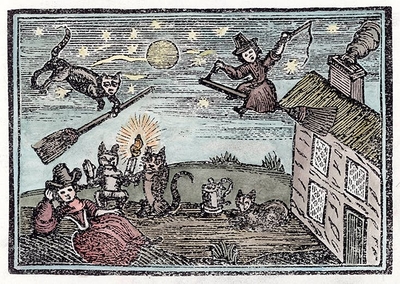
In ancient Egypt, cats were objects of worship – considered to be a manifestation of the goddess Bastet. Fast forward to Europe in the Middle Ages, and cats had become linked with witchcraft by the Catholic Church. Thus ensued a 300 year campaign of systematic feline torture and genocide, the goal of which was to exterminate cats entirely.
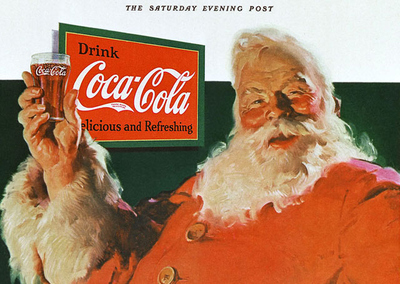
The company did start using Santa in advertising in 1933. But Santa had been portrayed almost exclusively in red from the early 19th century and most of his modern image was put together by cartoonist Thomas Nast in the 1870s. In fact White Rock beverages had used Santa to advertise its ginger ale in 1923.
During World War II, Britain wouldn’t have cracked the German code without the Enigma machine – but they wouldn’t have done it without human creativity either. To narrow down the 159 quintillion possible combinations, the Bletchley Park team made educated guesses at certain words the message would contain; they knew that the German forces sent out a daily ‘weather report’, and they knew that most messages would contain the phrase ‘heil Hitler’. Looking for these patterns in the coded messages helped the team to calculate the daily settings on the Enigma machine.
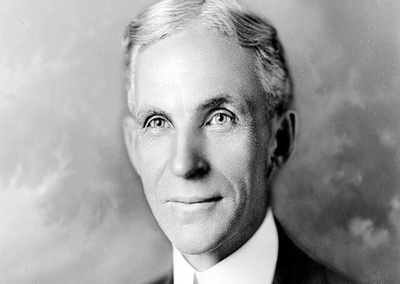
Henry Ford invented the weekend so he could make more money. He made Saturday and Sunday days off for his staff as early as 1926, giving them the opportunity to spend their down time buying his cars.
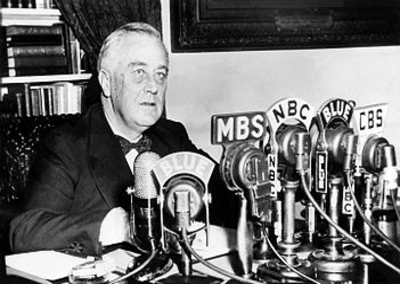
In the 1930s, when America was recovering from the Great Depression and facing the prospect of joining a World War, President Roosevelt created an unconvential communication method. Rather than making big speeches, he used weekly radio broadcasts known as ‘Fireside Chats’, where he explained his policies to ordinary people in their language – using simple words and concrete examples. 80% of the words used were in the thousand most commonly used words in the English language.
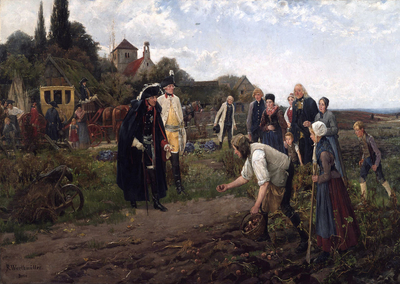
The power of scarcity was known back in the 18th century. After farmers rejected Frederick the Great’s proposal to grow more potatoes, he planted a royal field with potato plants and ordered his guards to protect them. Before long, peasants started stealing these ‘royal potatoes’ and growing them in secret.
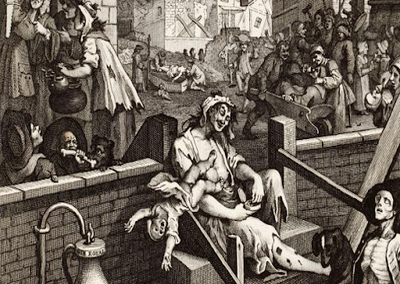
Gin has become increasingly fashionable in the UK, but we’ve been here before: during the ‘gin craze’ of the 1700s the average person was drinking 10 litres of gin each year (vs 2 today), and consumption became so rife that Parliament passed several laws to reduce it.
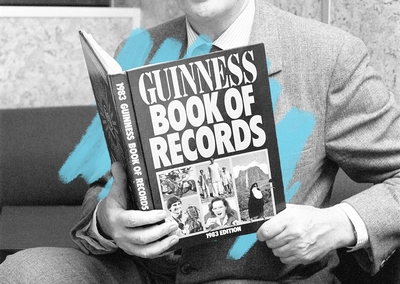
In 1951, Sir Hugh Beaver, the then managing director of the Guinness Breweries, became involved in an argument over which was the fastest game bird in Europe, the golden plover or the red grouse. He realised that there was no book to settle the argument, and knew that there must have been numerous other questions debated nightly among the public. So he created the Guinness World Records.