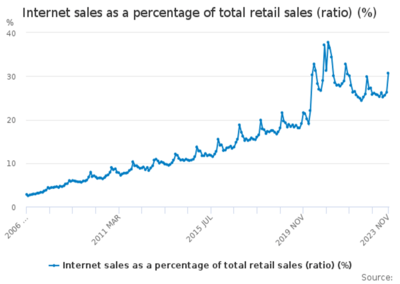
At the peak of Covid-19, we were told that e-commerce would transform the world. It turns out online shopping has followed the same growth trajectory it was on before the virus.
Most people say they care about the environment, but that doesn’t mean they act on it. According to Ryanair CEO Michael O’Leary, just 1% of his airline’s passengers pay to offset their emissions. As he says, “people want low fare air travel, and people want somebody else to pay the environmental taxation.”
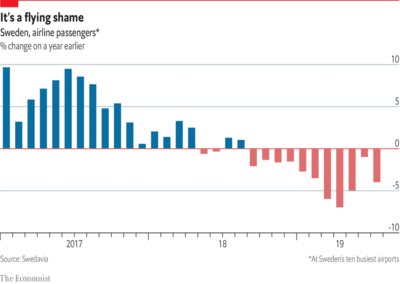
In 2018, Swedes coined a new term, Flygskam, or “flight shame”, to describe the embarrassment that travellers feel about their environmental impact. This phenomenon has helped to decrease passenger numbers by 8%, while train travel has boomed.
The UK wastes over 7 million tonnes of food annually, and a significant portion of that is food thrown away because it’s past the use by date. So the charity WRAP, in partnership with Ogilvy, introduced ‘days on date labels’ – a brain friendly labelling system that displays both the day and the date on the use by label. Although only in pilot stage, the concept has been rated well by consumers and shows promise for the future.
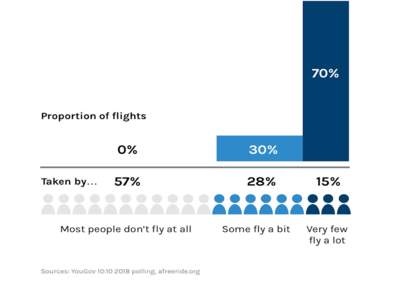
How to reduce gasoline usage? Target the superusers. The top 10 percent of US motorists drive 30,000 miles or more a year and use an estimated 32 percent of all gasoline – more than the bottom 60 percent of US drivers combined.
Billions of people live in extreme poverty with almost no income, but that fact often feels too abstract to be meaningful. This prompted statistician Anna Rosling to launch Dollar Street, a project that uses photos to showcase the reality of living in poverty. Photographers have documented hundreds of homes in 50 countries so far, and in each home the photographer spends a day taking photos of up to 135 objects, everything from toothbrushes to shoes.
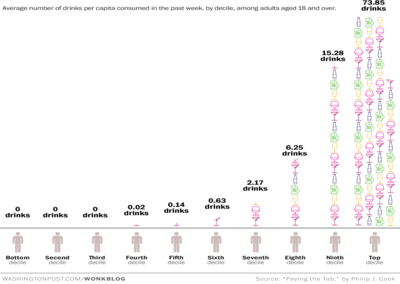
People say they seek out the best option, but their behaviour says otherwise. Only 0.63% of Google searchers clicked on something from the second page (hence it’s an excellent place to hide something bad…).
American business people were asked which hotel facilities were most important in their choice of hotel: 70% said the gym. But in reality, only 17% use the gym when they stay.
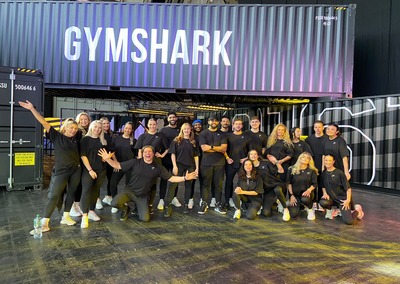
The pandemic was supposed to kill off gyms: who would want to pay when there were so many free alternatives at home? Yet 5 years on, gym memberships are at a record level (at least in the UK).
Lego’s research revealed that its toys weren’t just appealing to curious children, but adults who wanted to relive their childhoods. A series of 18+ product innovations have since become bestsellers; including the 2,048-piece ‘Friends apartments’ (based on the sitcom), a 11,695-piece ‘World Map’, and the Mos Eisley Cantina from Star Wars. In fact adults now account for 25% of sales in the wider toy industry, according to the NPD group.
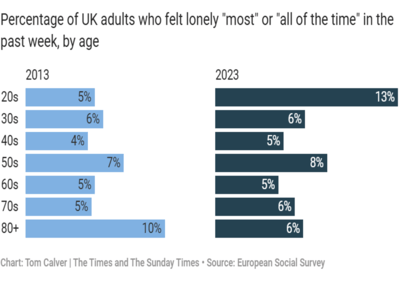
Forget the link between loneliness and the elderly – it’s highest among those in their 20s. It’s an odd finding, given this age group is more likely to have see friends, families and colleagues, but perhaps physical contact doesn’t guarantee emotional fulfillment. As writer David Robson points out, it’s perfectly possible to be living in a large household without feeling any of those people understand you.