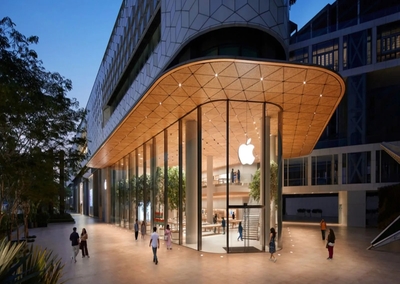
Steve Jobs designed the Apple store experience by taking inspiration from the luxury Ritz Carlton hotels. Staff meet customers proactively on arrival and using customers’ names for a personal touch. The iconic ‘Genius Bar’ was also directly modelled on the concierge desk of a grand hotel.
Business & Brands
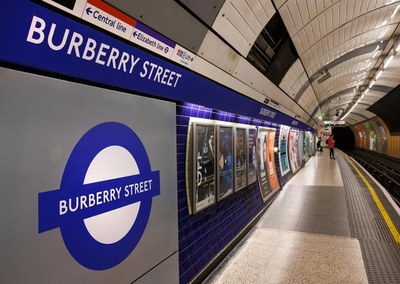
Transport For London temporarily renamed Bond Street station to ‘Burberry Street’, as part of a partnership with the brand during London Fashion Week. They seemed to forget that passengers rely on station signage to get around, and the stunt left many confused (and at the wrong station).
Booths, a British supermarket, got rid of its self checkout machines altogether because customers deemed them to be unreliable and impersonal. It turns out that the ‘hassle’ of human cashiers is actually their main benefit. As managing director Nigel Murray put it, “we pride ourselves on great customer service and you can’t do that through a robot.”
Brand purpose shotton takedown
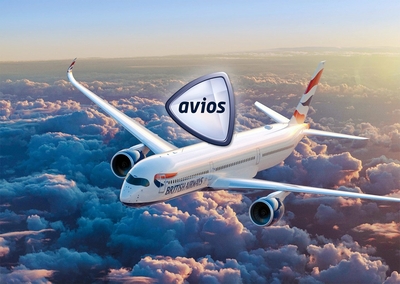
British Airways make a quarter of their profit (£320m) from Avios points.
At age 22, Whitney Wolfe helped launch Tinder, but left a few years later before filing a lawsuit against the company alleging sexual harassment. The ensuing attention from the media – and cyberbullying from strangers – prompted her to launch Bumble, a dating app where women make the first move.
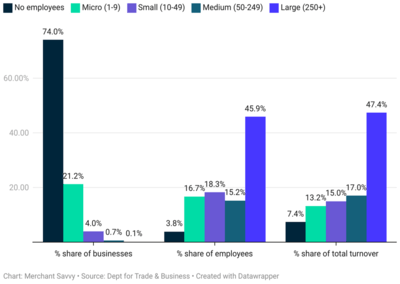
99% of UK businesses have fewer than 250 employees, and 75% have no employees whatsoever.
Casper hosted a glamping trip during the last total solar eclipse and even set up a pay as you go nap hotel called the Dreamery
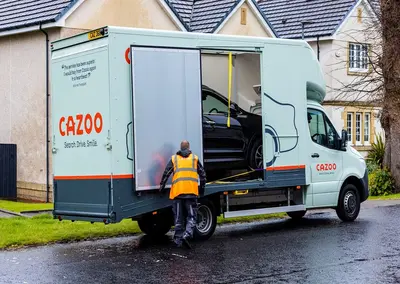
Cazoo’s £6 billion valuation hinted that all car buying would be done online. But the company has now gone into administration, after generating losses of £700 million in 2022.
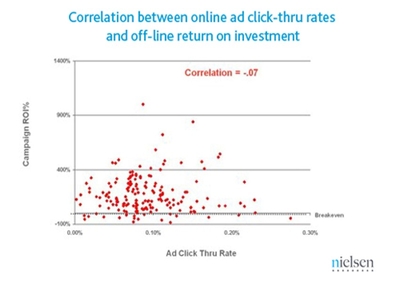
Clicks aren’t a good proxy for brand results. There is no significant correlation between click-thru rate (CTR) and any Nielsen brand effect metrics, such as ad recall, brand awareness or purchase intent.
Coca Cola doesn’t really sell soft drinks: it sells licensing to other companies who then manufacture and distribute Coca Cola.
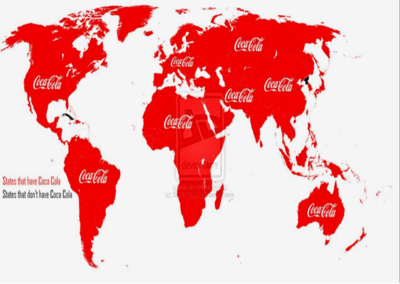
Coca Cola is enjoyed in over 200 countries, and is available in the most remote places. Its presence is so universal that the former Zambian Health Minister complained that his country’s small villages stocked the brand but not lifesaving medicines.
Robert Woodruff, Coca Cola’s leading 20th century figure, understood the importance of distribution; promising to put Coke’s products “within arm’s reach of desire.” And he succeeded: roday you can count the places it’s not sold on one hand.