Social desirability bias

We care deeply about what others think.

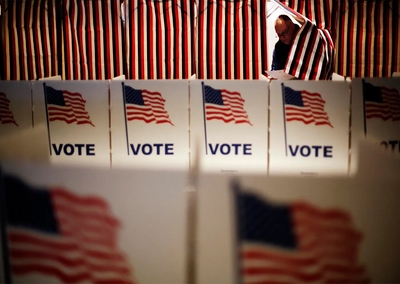
A mysterious French trader (known as Theo) used an ingeninous polling technique during the 2024 US election: rather than asking respondents who they would vote for, he asked them who they expected their neighbours to vote for. This indirect method revealed support for Kamala Harris to be lower than people thought, and Theo was so confident in a Trump win that he bet $30 million on it (a very smart move).
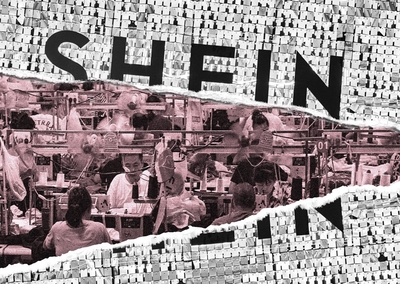
Say you wanted to gauge the impact of a brand’s ethics on purchase decisions. The most basic approach is to ask directly, out of context and in isolation. And it turns out that when you simply ask consumers if a brand’s ethics are important, the vast majority agree they are. But this finding is at odds with how people behave. Shein & Amazon are incredibly popular retailers, despite their questionable approach to sustainability and taxation. And few people can actually name a specific brand whose ethics they admire.

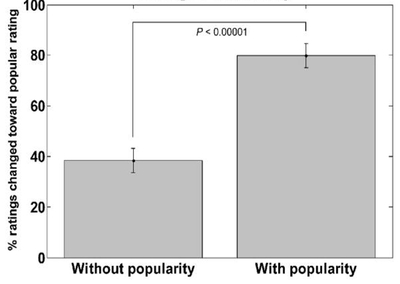
We follow the herd: in supermarkets, top seller labels result in an average sales lift of 41%.

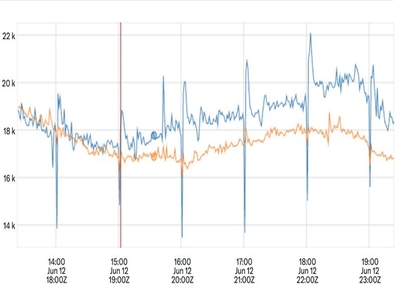
After Twitter / X privatised the likes feature, there was a huge spike (roughly 10%) in their volume – suggesting lots of people have opinions they are happy to express in private but not public.

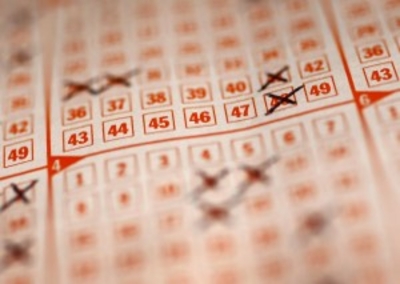
When someone wins the lottery, it increases the chance of their neighbour going bankrupt: they see the good fortune next door and feel pressure to accumulate more assets of their own, especially flashy purchases like cars, that they simply can’t afford.