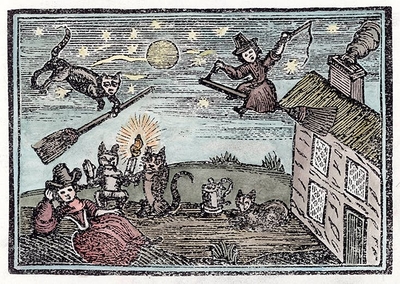
In ancient Egypt, cats were objects of worship – considered to be a manifestation of the goddess Bastet. Fast forward to Europe in the Middle Ages, and cats had become linked with witchcraft by the Catholic Church. Thus ensued a 300 year campaign of systematic feline torture and genocide, the goal of which was to exterminate cats entirely.
Shifting status symbols
The way we show off has evolved over time.
Bag logos no longer ther
Mass produced vs handmade
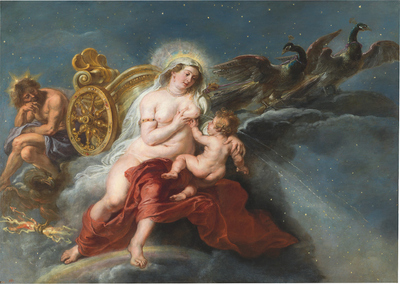
Obesity is now considered a medical illness, but this is a modern phenomenon. Throughout history, obesity was seen as a sign of wealth and high socioeconomic status – when food was scarce and famine was rife, only the most prosperous could afford to indulge. The art of Renoir and Rubens presents an ideal figure that is very different from the one today.
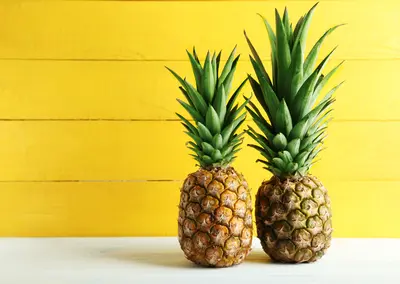
Pineapples were once the ultimate symbol of wealth; used mainly for display at dinner parties, rather than being eaten. Charles II was so taken with pineapples that he commissioned a portrait of himself being presented with one. But they lost their star status once steamships started to import them to Britain from the colonies, and they became afforable to the masses.
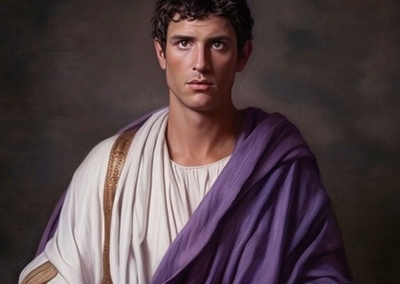
Purple clothes seem ordinary to us, but to the Ancient Greeks they symbolised power. Purple dye was incredibly hard to find – coming from a sea snail called the murex – so it was only accessible to emperors, priests, kings and judges. It wasn’t until 1856 that a British chemist found a synthetic version of purple, soon making it available to the masses.
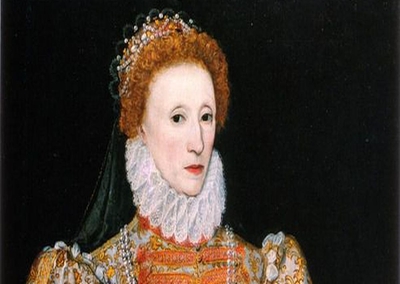
Tanning vs pale
Reddit has an excellent thread based around this question. Being really into wine, getting money from the government and wearing hoodies to work are some of the answers that show the same behaviour can have two very different connotations.