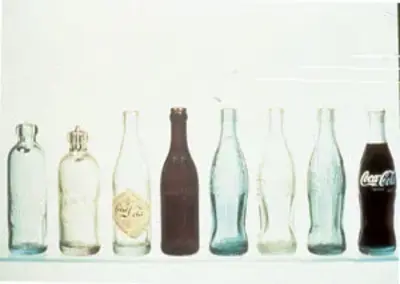
Robert Woodruff, Coca Cola’s leading 20th century figure, understood the importance of distribution; promising to put Coke’s products “within arm’s reach of desire.” And he succeeded: roday you can count the places it’s not sold on one hand.
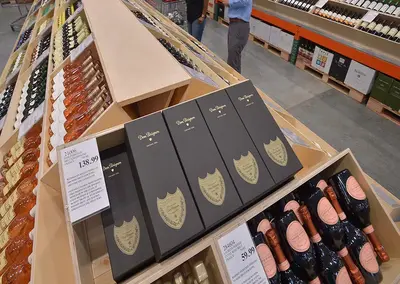
Dom Pérignon is synonymous with luxury, but it still needs to reach a big audience. The discount retailer Costco sells more bottles than any other retailer in the US
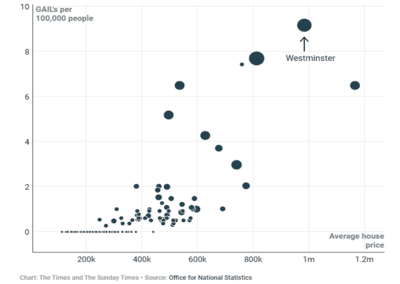
Gail’s’ distribution is focused on neighbourhood spots with above average income. As co-founder Tom Molnar says, “we’re not in places like Oxford Street as we’re not trying to get people through the till really fast.” In fact this focus on affluence has been so successful that the Lib Dems used it as a tool in their 2024 election strategy; aggressively targeting towns outside London with a Gail’s, and winning a record 72 seats as a result.
Google pays $26.3bn to make its search engine the default on smartphones and browsers. It recognises that simply being present is enough to drive usage.
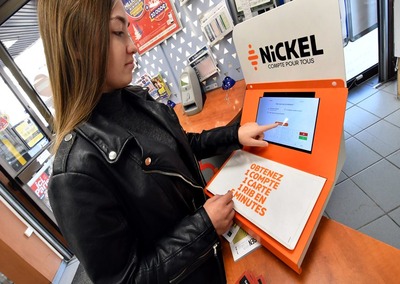
Nickel, a French bank, wanted to provide financial services to low-income people but couldn’t afford to open branches everywhere. So the company used corners of existing cafés and tobacconists, which not only saved money but also provided instant reach and scale. Nickel now has 7,500 of these points of sale as well as 2.5 million customers.
Ben Greensmith, the UK manager of Tony’s Chocoloney, credits the brand’s growth to clever placement: in 2020 Ocado wanted to send a free gift to loyal customers during the pandemic and bought 400,000 bars of Tony’s Chocolonely to give out with orders. Before that “no one had heard of the company, and now 58 per cent of the UK population recognises our milk chocolate bars. That’s pretty incredible.”