ADHD diagnoses in America spike by 14% on Halloween, compared to the ten weekdays before or after that. Why? The children are examined on the day they get to wear a fun costume and collect bucketloads of candy – suggesting doctors often mistake simple excitement for ADHD.

Misleading metrics
Don’t take statistics at face value.
Brand purpose shotton takedown
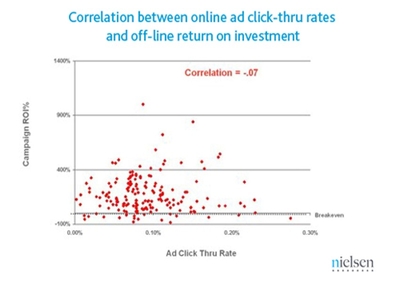
Clicks aren’t a good proxy for brand results. There is no significant correlation between click-thru rate (CTR) and any Nielsen brand effect metrics, such as ad recall, brand awareness or purchase intent.
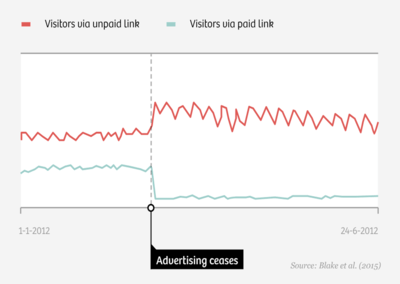
In 2011, Insiders at Ebay were convinced their Google search ads were increasing website traffic. After all, the data showed that the more money spent on these ads, the more people clicked on the link to the Ebay website. In reality, the ads weren’t causing more people to click on the link – they were simply guiding a growing number of people who were already looking for it. Ebay eventually switched off the advertising and found a negligible impact on traffic, soon realising it was spending $20m on ads for nothing.
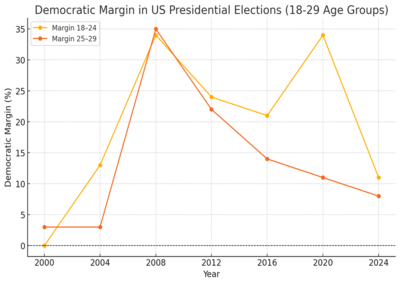
It’s not new to say generations are misleading, but voting behaviour makes it clear to see: in the 2024 US election, Kamala Harris’s winning margin declined by 23 points among 18-24 year olds but only 3 points among 25-29 year olds. Technically, these age groups are both part of Gen Z.
Graduates of top universities earn more in the future, but how much of that is down to the teaching? After all, the top universities are more likely to receive applications from people who are already bright. A US study got around this by analysing students who got into top universities, like Stanford and Yale, but decided not to go. These students didn’t seem to suffer by attending less-selective schools. Apparently, an acceptance letter from Stanford was as good as attending Stanford.
GDP has always excluded parent childcare, volunteering and other unpaid work from its calculation. More recently, it has failed to properly account for much of the digital economy. For instance, Facebook is only counted by its advertising revenue ($40 per user per year) but our willingness to pay for the service is much higher – $600 a year according to a recent paper by the National Bureau of Economic Research. These and other omissions explain why, to quote John F Kennedy, “GDP measures everything except that which makes life worthwhile”.
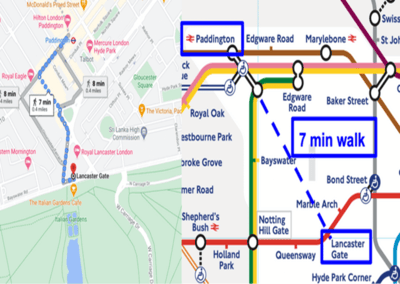
The London Underground Map says the quickest route from Lancaster Gate to Paddington is to travel two stops, change lines, and travel two more. As anyone familiar with the area knows, it’s much quicker to ditch the Tube and walk – the 500 metre journey between the stations takes five minutes.
The manager, Sir Alex Ferguson, noticed that defender Jaap Stam was making fewer tackles than in previous seasons. The data convinced the manager that Stam was past his prime, leading Ferguson to transfer him to Italian club Lazio. But Ferguson had been deceived by data. Stam was making fewer tackles because he was making more interceptions and keeping the ball more as a result. In other words, the drop in tackles showed his performance was improving, not declining. After Stam’s successful stint at Lazio, Ferguson later recognised his mistake, admitting “without a question, I made a mistake there. Jaap Stam was the one.”
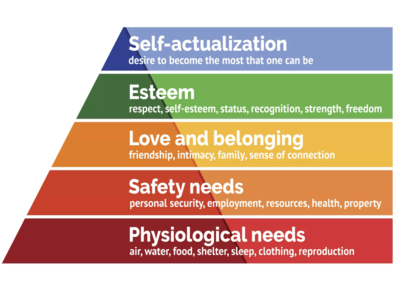
The famous framework suggests we must satisfy psychological needs before social needs – safety before friendships – but in reality there is no strict order. Even when we are hungry, we can be happy with our friends.
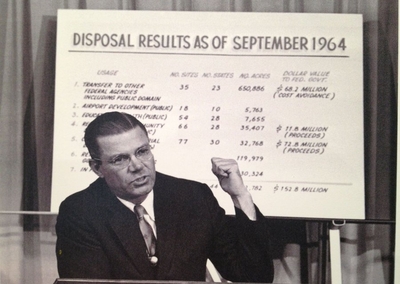
The McNamara fallacy – making a decision based solely on quantitative observations and ignoring all others – is named after Robert McNamara, US Secretary of Defense during the Vietnam war. He measured success solely by tracking body count, which, although quantifiable, ignored crucial factors the enemy’s guerilla tactics and the loyalty of its soldiers.
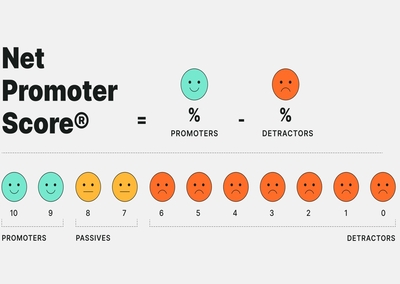
NPS is a simple way of gauging customer experience, but don’t confuse that with a measure of growth: studies consistently show that NPS changes don’t predict market share.
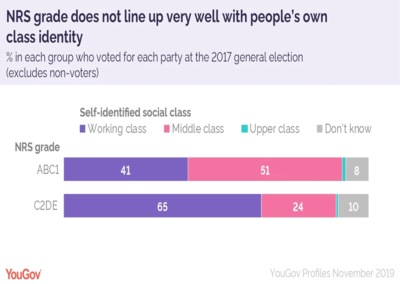
Our standard measure of social class was never designed to describe class – it was meant to describe occupation. ABC1 is the term for those who work in administrative or professional roles, and is now the common label for middle class, but only half of this group considers themselves to be so. Meanwhile two-thirds of C2DEs, those in manual work, believe themselves to be working class.
Brands often claim that customers who like their social media pages tend to spend more. But a study from the Journal of Marketing Research shows this is just correlation. Joining a brand’s social network has no impact on consumer attitude or behavior; it is simply a symptom of preexisting fondness for the brand.
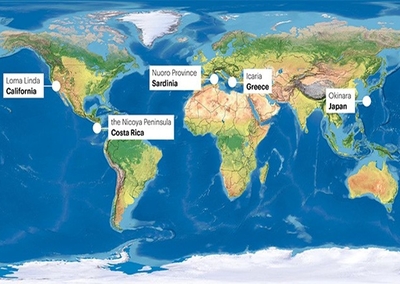
The outstanding predictor of longevity isn’t diet or exercise – it’s patchy birth records. Introducing proper records in the late 19th century reduced by more than two-thirds the number of babies who would eventually seem to reach the age of 110. That suggests that, until recently, seven out of 10 apparent supercentenarians were, in fact, younger than claimed.