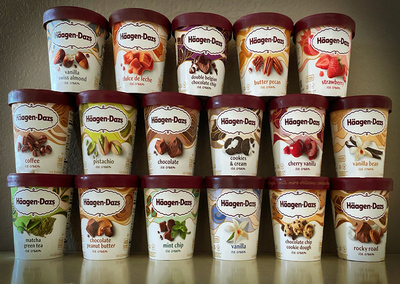
Reuben Mattus coined the name “Häagen-Dazs” to make the (American) brand sound more Danish. Interestingly letters like “ä” and digraphs like “zs” do not actually exist in Danish.
A series of studies have shown that middle names make us sound smarter. When the author’s name, David Clark, was given without initials, it was evaluated less positively than the same essay written by an author named David F. P. R. Clark. However, the middle initials effect only occurred in domains where intellectual performance matters (e.g. quizzes) but not where it is secondary (e.g. team sports).
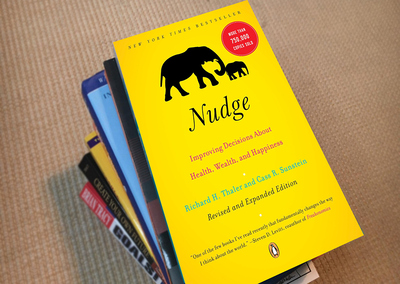
Richard Thaler & Cass Sunstein coined the term ‘Libertarian Paternalism’ in a 2003 article – a doctrine that aimed to guide people’s decisions without taking away their freedoms. It’s unlikely the idea would have caught on, had it not been for the much snappier title used for their 2008 book: ‘Nudge’ (interestingly a suggestion of one of the publishers who passed on the book)
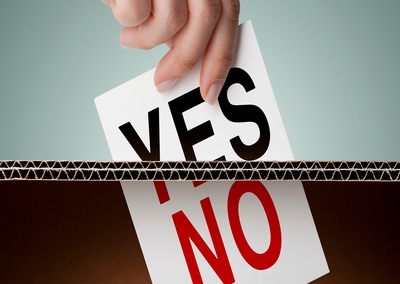
Does the UK public want to change the voting age? Well, it depends on the wording. 52% support giving 16 and 17 year olds the right to vote, but only 37% support reducing the voting age from 18 to 16.
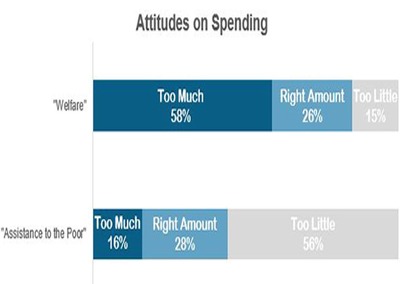
58% of (white) Americans say they are spending too much on welfare vs too little (15%), yet 56% think they are spending too little on assistance to the poor (vs 16% too much). The difference? Welfare is a heavily loaded term.