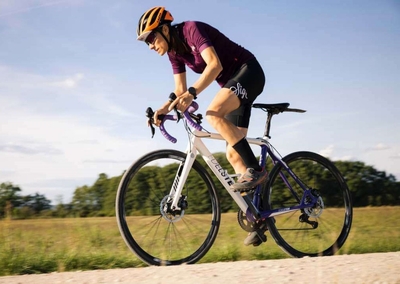
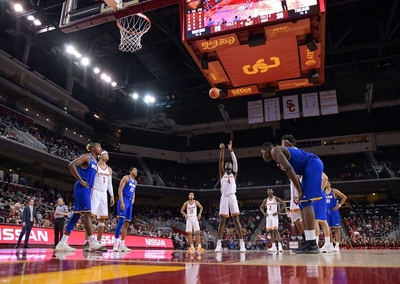
Cyclists had to ride to point of exhaustion – but clock changed depending on group. Stamina increased by 18% when clock ran slow – wonky time had led participants brains to think they had exerted less than they had
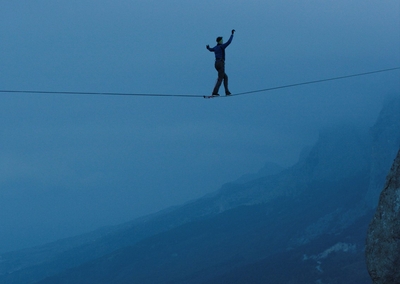
A fear of heights doesn’t just change our emotions – it changes our perceptions. People who are scared of heights will, quite literally, see the same height as larger than those who aren’t.
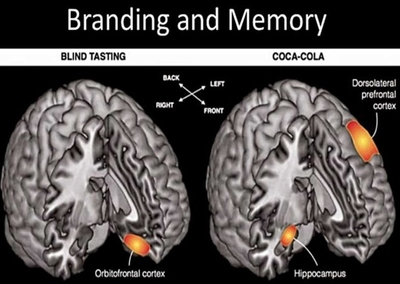
In 2003, neuroscientist Read Montague put his own spin on the Pepsi Challenge. In a standard blind taste test, FMRI data showed the brain region called the ventral putamen – associated with seeking reward – was highly active, and Pepsi came out on top. But things changed when volunteers were told what they were drinking. This time, Coke was the clear winner and the medial prefrontal cortex was seen to be more: an area of the brain associated with higher thinking processes. In other words, the expectation of drinking Coke made it more enjoyable.
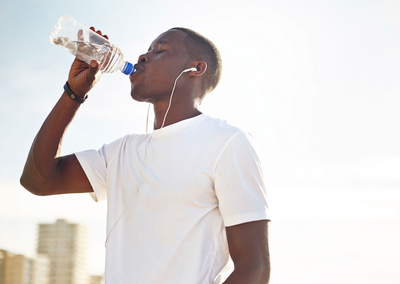
Recent neuroscience studies have shown that our brain is predictive, not reactive. It’s, quite literally, powered by expectations. When we drink a glass of water it actually takes tens of minutes to reach the blood, but it instantly feels like our thirst is quenched – that’s because our brain predicts the restorative effect of water as soon as we drink it.
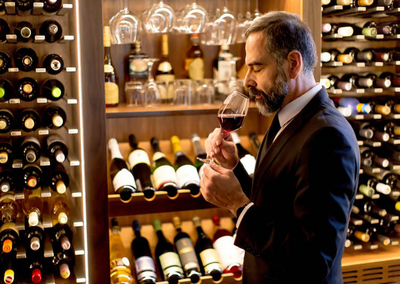
The prestigious Gilbert et Gaillard wine contest was won by a €2.50 bottle, disguised as a premium product with a fancy name (‘Chateau Colombier’) and an eye-catching label.
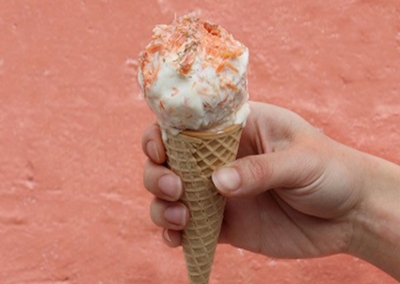
In a study, led by chef Heston Blumenthal, those who were told it was ice cream didn’t like it – given it was pink they were expecting the taste of strawberry, not fish. But when it was introduced as ‘chilled salmon mousse’, to give people a fair warning, the reaction was much more positive.